CASE STUDY
WHX Dubai 2026: Engineering Complexity, Delivering Stability
How a six-year operational partnership held together one of healthcare's most structurally complex exhibitions.
100K+
Attendees
4.000+
Exhibitors
200
Access Rules
6 Years
Of Partnership
70
Fixed Terminals
120
smart scanners
7
venue locations

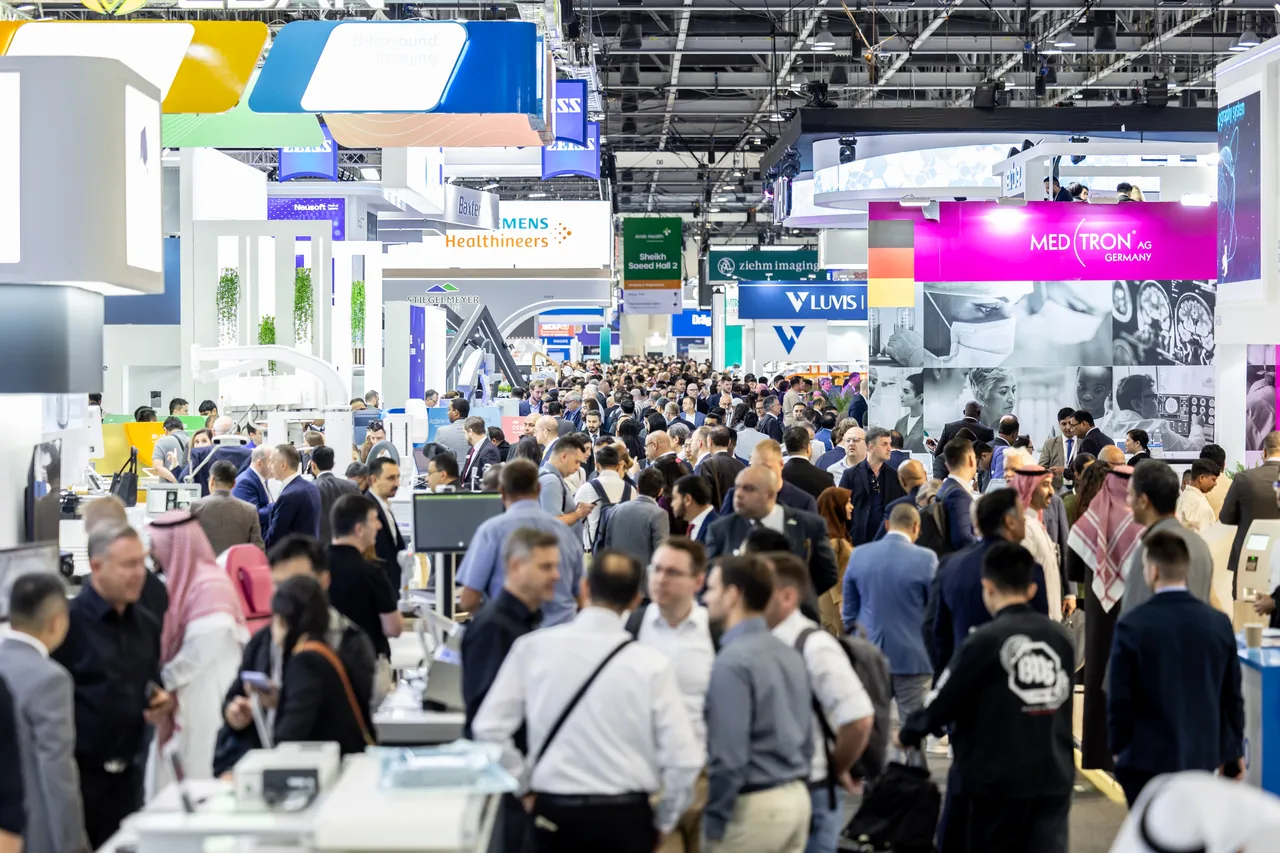
World Health Expo Dubai is one of the largest healthcare exhibitions in the world, drawing procurement decision-makers, clinicians, technology vendors, and policymakers from across the region and beyond. In its most recent edition, the show operated across seven locations within a single venue, hosting more than 100,000 attendees and upwards of 4,000 exhibitors over seven days.
Visit has supported the show for six consecutive years, providing registration, access control, badging, and on-site operational services across the full event lifecycle.
This edition introduced a series of structural changes, all simultaneously, that significantly raised the complexity ceiling.
Paid access after six years of free admission
Hybrid badging infrastructure
Co-location with WHX Labs and layered permissions
Visit approached the engagement as an embedded operational partner, not a deployment. Pre-event configuration, on-site team placement, and real-time decision-making authority were all part of a single, continuous model of delivery, built over six years of working the same show.
How we did it
Rule Architecture Aligned to the Commercial Model
The access control architecture was engineered by Visit specialists Abdul Aleem and Zulfikar Shareef. The 200-plus rules they designed were constructed to reflect the commercial model directly, translating ticket tiers, zone permissions, and co-located event categories into access logic that physical infrastructure could enforce consistently across seven entry points.
Precision at this level requires more than technical skill – it requires understanding how the event operates commercially, how the venue is structured physically, and where edge cases tend to appear under real conditions. Six years of continuous work on the same show creates that understanding faster than any briefing document can.
Embedded On-Site Operations
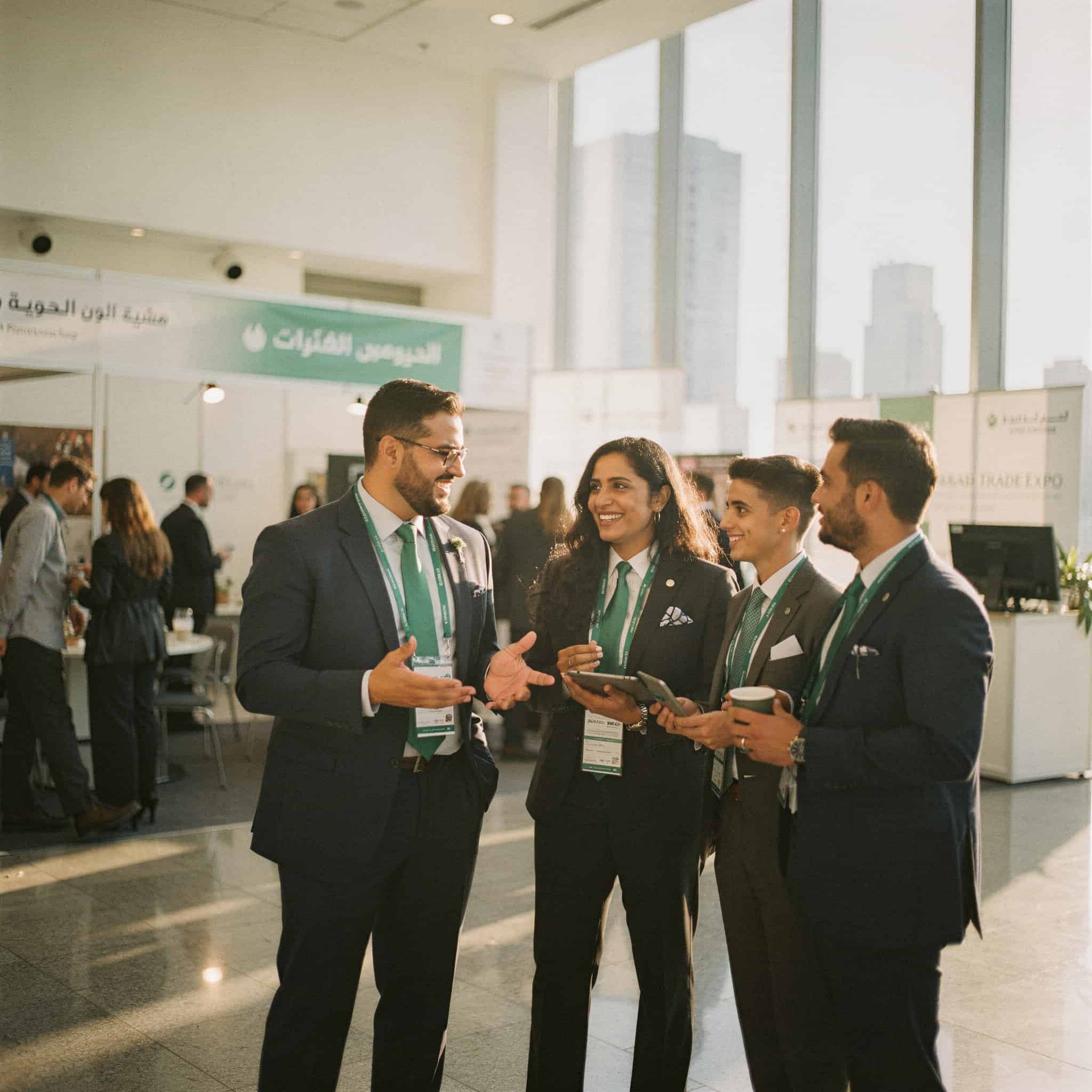
The Visit team was deployed across all seven venue locations for the duration of the event, coordinating with the organizer’s operations and event management functions, as well as venue staff and third-party suppliers.
This was not a support function operating from a back room, as the team collectively logged more than 1,134,000 steps across the seven-day event, with a daily average of 18,000 steps per team member.
“Having the right people at the right time makes a lot of difference. The people in Visit GES who I coordinate with, their guidance on how things can work, what would make an impact on our show… that knowledge over the years matters a lot.”
“Having the right people at the right time makes a lot of difference. The people in Visit GES who I coordinate with, their guidance on how things can work, what would make an impact on our show… that knowledge over the years matters a lot.”
The organizer’s Operations Manager, who has worked with the Visit team across multiple events in the region over six years, was direct: the people matter as much as the platform. This reflects a working relationship that has been built through consistent delivery, not commercial promises.
Real-Time Operational Leadership
Day one of a show introducing paid access and printed badges for the first time in six years will carry risk. Visitor volumes, queue behaviour, and the real-world performance of a new access model cannot be fully simulated in advance. On opening morning, congestion developed at entry points as the volume of attendees arriving with printed badges exceeded what the initial terminal configuration could process at pace.
The decision was made quickly: allow digital badge entry alongside printed credentials, removing the constraint immediately. Flow stabilized, and no structural change to the access model was required, no escalation, no disruption visible to attendees.
Across the full event, 70 fixed check-in terminals and 120 smart scanners operated across the seven locations, with 129 Check-in Lite licenses supporting manual access control points throughout.
The outcome
After the day one adjustment, the event ran without any incidents across the remaining six days. The hybrid badge model performed as designed, the paid access structure was enforced accurately across all visitor categories and zones, and the co-location with WHX Labs operated cleanly within the broader access architecture.