There is a word that makes procurement teams uncomfortable, that commercial directors flinch at, and that most supplier relationships are quietly designed to avoid. It causes more friction in a single syllable than almost any other word in business.
In my years of working with event organisers across the world, I have come to believe that a vendor’s willingness to say it is one of the most reliable indicators of whether they will actually protect your event or simply protect the contract. Those are very different things, and the gap between them is where reputations are lost.
The Architecture of a Live Event
A well-run trade show or conference is dozens of interdependent systems, teams, and decisions operating simultaneously, each one affecting the next. Think of it like a good cake. The ingredients matter individually, but their interaction is what determines the result. Get one wrong and the whole thing suffers, regardless of how well everything else came together.
The consequences of misplaced agreement are rarely abstract.
A registration area configured without proper flow modelling creates queues that stretch into the welcome experience, before a single session has started. A hastily approved integration, signed off to satisfy a timeline rather than a genuine need, can open data vulnerabilities or fracture an attendee’s digital journey at precisely the moment you want it to feel seamless. A last-minute layout change, agreed to keep a senior stakeholder happy, can introduce instability into systems that have been tested and tuned for weeks.
These are the ordinary consequences of YES when the more responsible answer was something else entirely.
Why Yes Is the Easiest Signature to Get
Agreeing is commercially comfortable. Saying yes wins pitches, keeps relationships smooth, and moves contracts forward. A supplier who never pushes back feels easy to work with, right up until the moment they are not.
Winning a piece of business and protecting the event it is built around are two separate objectives. Most suppliers are very good at the first, yet fewer are willing to compromise the second in service of it.
The suppliers who will say yes to anything, regardless of the operational implications, are just order-takers with a logo and a service-level agreement.
If your event goes wrong, the signed contract does not repair the damage to your reputation. The supplier has moved on to the next pitch, while you’re left explaining to your board why registration collapsed on day one.
The Weight of No
I say no on a weekly basis. Not because I enjoy that, and certainly not because I think I know better than the people running the event. Yet, I say it because experience has placed a particular responsibility on my shoulders, and pretending otherwise would be a disservice.
Across hundreds of events, certain patterns become very clear: you learn which shortcuts hold and which ones fail at the worst possible moment, you understand which integrations introduce risk rather than reducing it, you recognise when a proposed change, however well-intentioned, is going to create a problem on the show floor that nobody wants to solve at six in the morning.
Saying no in those moments means doing your job, not asserting authority. Security, event flow, data integrity, attendee experience – these are not exclusively the organiser’s responsibility. A good partner carries part of that weight, and that means occasionally delivering news that is inconvenient.
The alternative is a supplier who nods along, implements what they are told, and then stands at a respectful distance when things go sideways. I have seen that too.
Partnership Is a Two-Way Road
Pushing back is one half of the equation, listening is the other. And it matters just as much. Every event runs differently, and that diversity is a feature, not a complication.
Organisers bring years of audience knowledge, sector expertise, and operational experience that no technology provider can replicate from the outside. When we treat that knowledge as a briefing document rather than an ongoing conversation, we build the wrong things.
Some of the best features Visit has ever shipped came directly from organisers challenging us – validating the need, stress-testing the logic, and helping us understand what good actually looked like in their specific context. That kind of input is extremely valuable.
A partnership that only gets attention at contract renewal is just an arrangement. Real partnership requires regular communication, shared project plans, agreed objectives, and the kind of honest check-in that happens before a problem develops, not after it lands in your inbox. The maintenance of the relationship is where the value lives.
If Your Event Goes Well, My Job Is Easy
When registration runs without a hitch, everything downstream becomes manageable.
I say this often, and I mean it precisely: when registration runs without a hitch, when the show floor fills up, when exhibitors are generating quality leads and attendees are staying through the final session, everything downstream becomes manageable – the pressure drops, the team performs well, and what looked like a complex operation becomes a well-tuned machine.
That outcome is only possible when a supplier is genuinely invested in the event’s success, not just its own deliverables, and investment requires access. The partners who deliver the best results are the ones invited into planning meetings, site visits, and the occasional working lunch where the honest conversations happen. That proximity shifts the relationship from vendor to extended team. When we understand the goal, not just the specification, the decisions we make in support of it are considerably better.
Events where suppliers are treated as genuine partners, with shared accountability and open communication, consistently produce better outcomes than those managed at arm’s length. The technology is largely the same, but the difference is the relationship and the trust it enables.
The People Behind the Platform
I am proud to work for one of the leading event technology providers in the world. I have been fortunate to work on extraordinary projects across multiple continents, and the scale and ambition of what our clients build continues to be genuinely impressive. But the part I am most proud of is the team.
They say that technology is only as good as the people behind it and that has become more relevant as the gap between platforms narrows. The pace at which event technology is developing means that feature parity across the market is arriving faster than anyone expected. Most platforms will, in time, do broadly similar things.
What distinguishes a supplier in that environment is the quality of judgment, the honesty of the conversation, and the willingness to prioritise the right outcome over the comfortable one. Experience, candour, and the confidence to say no when it matters – these are the things that keep events running, despite unexpected situations.
That is what we try to build into every client relationship at Visit: not just capable technology, but a team you can trust to protect your event the way you would protect it yourself.
A Final Thought
The events industry is built on remarkable people, each bringing their own expertise and hard-won knowledge. Surrounding yourself with the right partners means tapping into that collective experience, not just purchasing a platform.
Ask yourself, honestly, whether any of your current suppliers have ever disagreed with you. Whether they have ever said, “We do not think that is the best approach,” or “There may be another way to achieve this.” If the answer is no, that is a sign that nobody is watching your back.
Sometimes, the most valuable thing a partner can offer is the word they are most commercially incentivized never to say.
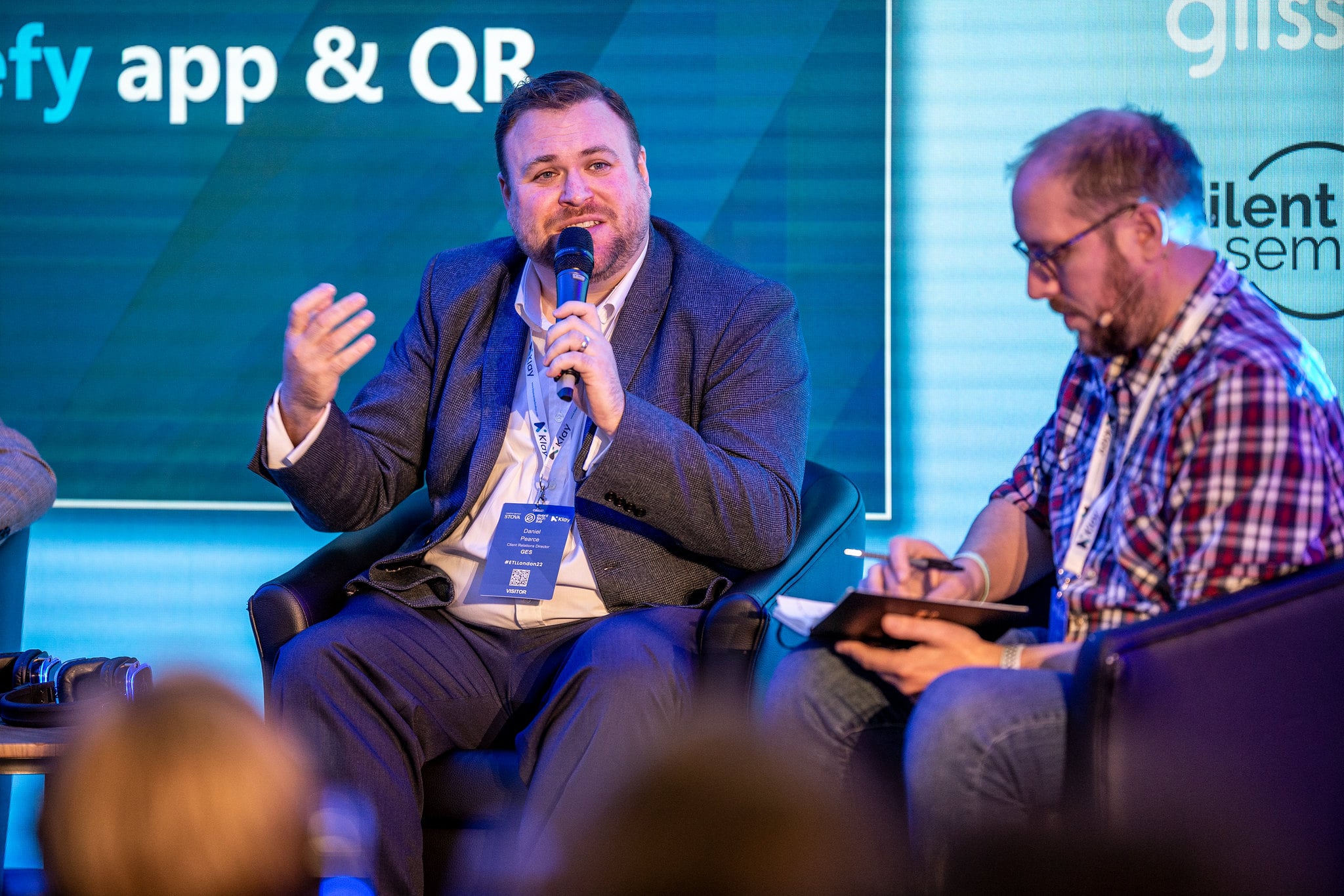
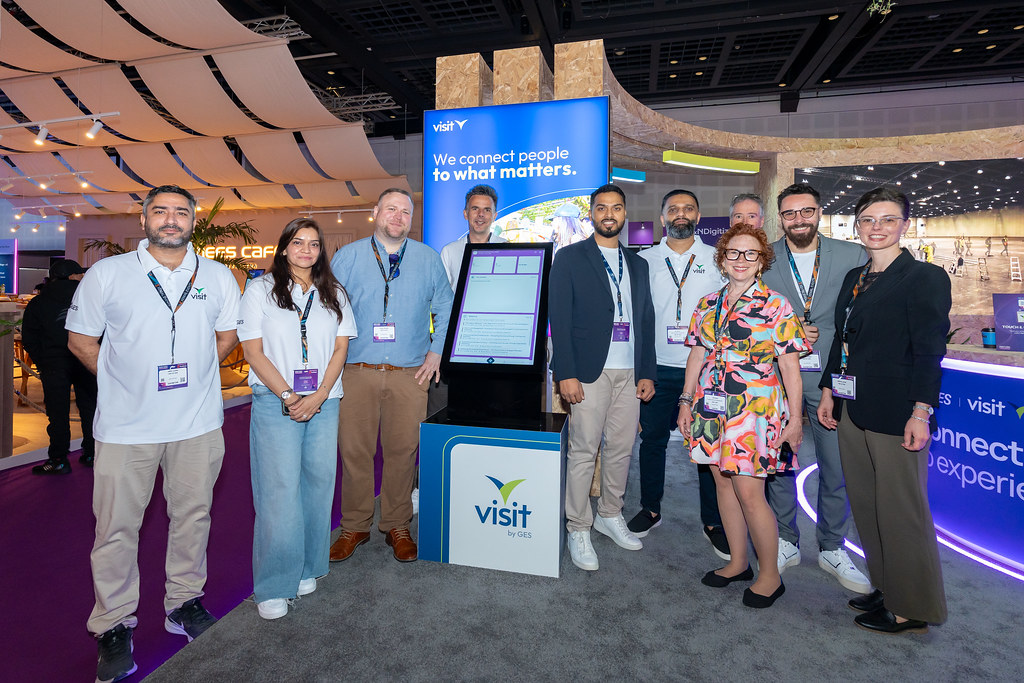
Daniel Pearce is Business Development Director at Visit by GES, where he works with event and trade show organisers globally. With extensive experience across live events and event technology, Daniel focuses on building partnerships that protect both the organiser's reputation and the attendee's experience.